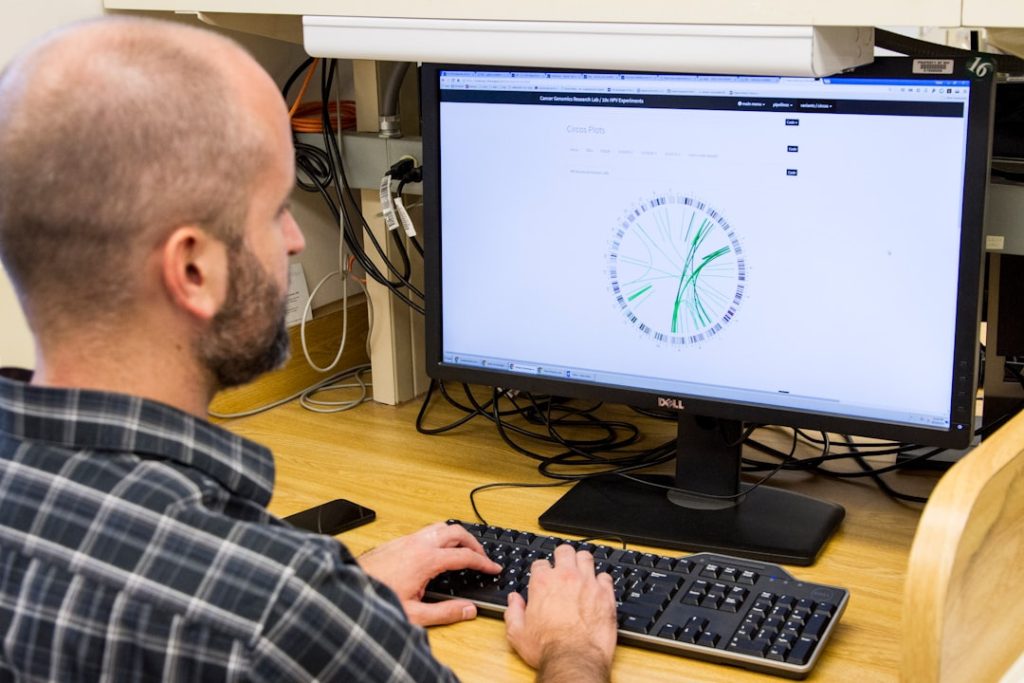
Meta Description: Discover how data engineers empower AI in drug launch teams with pipelines, predictive analytics and real-time insights to optimise pharmaceutical launches.
Launching a new drug is like orchestrating a symphony. One wrong note—misjudged timing, skewed data, or overlooked competitor moves—and the whole performance flops. In today’s fast-paced pharmaceutical landscape, AI in drug launch teams is no longer a futuristic buzzword. It’s a critical enabler. And data engineers are the unsung heroes ensuring that AI can actually sing.
In this post, we’ll unpack:
– Why data engineering fundamentals matter for drug launches
– How data pipelines and AI mesh to deliver real-time insights
– The day-to-day role of data engineers on AI-driven drug launch teams
– How Smart Launch by ConformanceX transforms launch strategies
– Actionable best practices for SMEs in Europe
Ready to make your next launch a hit? Let’s dive in.
Understanding Data Engineering Fundamentals
Before we explore AI in drug launch teams, let’s clarify what data engineers do.
Data engineering is the practice of designing, building, and maintaining pipelines that collect and process raw data into actionable information. In the pharmaceutical world, data engineers:
- Gather datasets from diverse sources: clinical trials, market surveys, social media signals
- Build ETL workflows to clean, normalise, and load data into warehouses or lakes
- Develop algorithms to transform raw figures into metrics: market share forecasts, adoption curves, risk assessments
- Ensure data quality, security and regulatory compliance
Think of them as the architects and plumbers of your data: they design the structure and make sure everything flows smoothly.
Why It Matters for Pharma
The global pharmaceutical market is projected to hit $1.57 trillion by 2023, yet 90% of launches fail commercially. Why? Fragmented processes. Siloed data. Inconsistent timing. Data engineers bridge these gaps, making sure AI models have the right inputs at the right time.
The Intersection: AI in Drug Launch Teams
So, how does AI in drug launch teams come to life? By tightly integrating data engineering with advanced analytics.
-
Data Collection and Ingestion
– Clinical data from trials
– Epidemiological trends via public health databases
– Social listening for patient sentiment -
Data Processing and Transformation
– Normalising formats (CSV, JSON, XML)
– De-duplicating records
– Validating against governance rules -
Model Training and Deployment
– Feeding processed datasets into machine learning frameworks
– Iterating models for adoption forecasting, dosage optimisation, competitor moves -
Real-Time Monitoring and Adjustments
– Tracking launch KPIs: prescription rates, sales velocity
– Triggering alerts for deviations
– Suggesting tactical adjustments
In essence, data engineers build and maintain the infrastructure that powers predictive analytics. Without them, AI is just fancy mathematics with no fuel.
Key Responsibilities of Data Engineers on AI-Driven Launch Teams
Let’s break down a typical day:
-
Pipeline Development
You design ETL jobs that gather data from a CRM, clean it, and deliver it to the analytics engine. -
Data Quality and Governance
You implement validation checks: “Is dosage data within expected ranges?” “Are patient demographics complete?” -
Collaborating with Stakeholders
You work with clinical scientists, marketing teams, and regulatory experts. You translate their needs into data requirements. -
Performance Tuning
You optimise pipelines so real-time dashboards don’t lag. -
Security and Compliance
You enforce GDPR and HIPAA rules. You monitor access logs and encryption standards.
Skills and Tools
- Programming: Python, Java, SQL
- Big Data: Hadoop, Spark, Kafka
- Cloud: AWS, Azure, Google Cloud
- Databases: Relational (PostgreSQL), NoSQL (MongoDB)
- CI/CD: Jenkins, GitLab CI
While data scientists craft models, data engineers ensure those models never starve for data.
Introducing Smart Launch: AI-Driven Platform by ConformanceX
Meet Smart Launch, an end-to-end solution designed for AI in drug launch teams. It brings together:
- Predictive analytics to forecast market uptake
- Real-time monitoring dashboards for post-launch performance
- Competitive intelligence to track rival launches and promotional tactics
- Automated alerts when KPIs stray
Here’s how data engineers unlock Smart Launch’s power:
- They integrate disparate sources—trial registries, sales figures, HCP feedback—and feed them into Smart Launch’s data lake.
- They build bespoke ETL routines that normalise dosing schedules, regional pricing tiers, and patient sub-group data.
- They configure automated pipelines that refresh predictive models every week, or even daily.
- They set up real-time dashboards with threshold alerts for your C-suite.
The result? Your team makes informed decisions at every step, minimising risk and maximising ROI.
Traditional vs. Smart Launch: A Side-by-Side
| Aspect | Traditional Approach | Smart Launch by ConformanceX |
|---|---|---|
| Data Integration | Manual uploads, siloed spreadsheets | Automated ETL pipelines |
| Predictive Analytics | One-off statistical reports | Continuous ML-driven forecasts |
| Competitive Intelligence | Quarterly market scans | Real-time rival tracking |
| Launch Monitoring | Monthly PowerPoint updates | Live dashboards with alerts |
| Risk Mitigation | Retrospective analysis | Proactive, data-driven adjustments |
The gap? Traditional methods are slow, resource-intensive, and reactive. Smart Launch keeps you agile and proactive.
A Practical Example: Tackling a Complex Launch
Imagine you’re launching a novel oncology therapy in Germany. You need to:
- Identify high-potential hospitals and KOLs
- Forecast prescription uptake over 12–24 months
- Monitor competitor price changes weekly
Here’s how data engineers and Smart Launch deliver:
- Pipelines pull hospital treatment volumes from health authority APIs.
- Machine learning models predict patient cohorts based on historical oncology data.
- Competitive pricing data is scraped and normalised daily.
- A dashboard highlights regions where competitor discounts spike—so your team can respond.
Suddenly, what used to take weeks now happens in hours.
Best Practices for SMEs in Europe
Small to medium pharma companies often lack in-house data teams. Here’s how to get started:
- Partner with experts like ConformanceX to deploy Smart Launch.
- Invest in a minimal viable pipeline: focus on core data sources first.
- Define clear KPIs: prescription rates, market share, time-to-peak sales.
- Start small: pilot in one country or therapeutic area.
- Use Agile sprints: iterate every two weeks based on user feedback.
The good news? You don’t need a huge team. A skilled data engineer and Smart Launch can transform your launch strategy.
Bridging the Gap: Data Engineers + Domain Experts
The magic happens when data engineers collaborate closely with:
- Clinical leads who understand trial endpoints
- Marketing teams who craft patient and HCP messaging
- Regulatory affairs experts ensuring compliance
Encourage cross-functional stand-ups. Share weekly demos of dashboards. Celebrate successes—like early uptake in target hospitals.
Conclusion
There you have it. Data engineers are the backbone of AI in drug launch teams. They build the pipelines, enforce quality, and enable real-time insights. With Smart Launch by ConformanceX, you’ll harness predictive analytics and competitive intelligence to take the guesswork out of launches. The payoff? Reduced risk, faster market entry, and sustained growth.
Thinking of your next launch?
Ready to see how data engineering and AI can transform outcomes?
Start your free trial or get a personalised demo at ConformanceX today.
👉 https://www.conformancex.com/
Share
Related posts